

Los Angeles Drug Possession Defense Lawyers
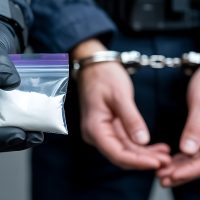 Being charged with drug possession in California can be frightening and confusing, particularly given how dramatically drug laws have changed over the past decade. While California has reduced penalties for many drug offenses, possession charges can still result in jail time, probation, fines, mandatory treatment programs, and a criminal record that follows you for years.
If you have been arrested for drug possession in Los Angeles, it is essential to understand the type of possession offense you are facing, what the prosecution must prove to convict you, the potential consequences, and how an experienced criminal defense attorney can fight to protect your freedom and your future. For advice and representation tailored to your specific circumstances, contact Kosnett Law Firm to speak with an experienced and successful Los Angeles drug charges defense lawyer.
Types of Drug Possession Offenses in California
California law recognizes several different types of drug possession offenses, depending on the circumstances of the case and the nature of the substance involved. The most common charge is simple possession, which generally means possessing a controlled substance for personal use.
Under Health and Safety Code Section 11350, it is illegal to possess certain controlled substances such as cocaine, heroin, and prescription opioids without a valid prescription. Possession of drugs such as methamphetamine is charged under Health and Safety Code Section 11377, while possession of marijuana in excess of legal limits or by minors may be charged under separate statutes.
More serious charges can apply when prosecutors allege possession for sale, rather than personal use. Health and Safety Code Section 11351 covers possession of controlled substances with intent to sell. These cases often involve larger quantities of drugs, packaging materials, scales, cash, or communications suggesting drug sales.
California also criminalizes possession of drug paraphernalia under Health and Safety Code Section 11364, which can include items such as pipes, syringes, or other equipment used to ingest or prepare drugs. While often charged as a misdemeanor, paraphernalia offenses can still carry significant consequences.
What the Prosecution Must Prove
In any drug possession case, the prosecution bears the burden of proving guilt beyond a reasonable doubt. While the exact elements vary slightly depending on the statute, prosecutors must generally establish that you knowingly possessed a controlled substance and that you knew the substance was illegal in nature.
Possession does not require the drugs to be found directly on your person. California law recognizes both actual possession, where the substance is found in your pocket or hand, and constructive possession, where the drugs are located in a place you control, such as a vehicle, backpack, or residence. However, prosecutors must still prove that you had control over the substance and were aware of its presence.
The prosecution must also prove that the substance in question was, in fact, an illegal controlled substance. This typically requires laboratory testing and proper chain-of-custody procedures. Any break in that chain or error in testing can weaken the case significantly.
Penalties for Drug Possession
Thanks to reforms such as California Proposition 47, many simple drug possession offenses are now charged as misdemeanors rather than felonies. A conviction for simple possession typically carries up to one year in county jail, fines, probation, and mandatory drug counseling or treatment programs.
However, jail time is not automatic. Many first-time offenders qualify for diversion programs under Penal Code Section 1000 or other treatment-based alternatives. Successful completion of these programs can result in dismissal of the charges, allowing the defendant to avoid a conviction entirely.
More serious penalties apply in cases involving possession for sale. These charges are often filed as felonies and can result in state prison sentences, especially if the defendant has prior convictions or the case involves large quantities of drugs. Enhancements may also apply if drugs were possessed near schools or involved minors.
Beyond incarceration and fines, a drug conviction can have lasting collateral consequences. It can affect employment opportunities, professional licensing, housing applications, and immigration status. For non-citizens, even a misdemeanor drug conviction can result in deportation or denial of naturalization.
Common Defenses to Drug Possession Charges in Los Angeles
An arrest does not equal a conviction, and there are many defenses available in Los Angeles drug possession cases. The most effective defense depends on the facts of the case and the quality of the prosecution’s evidence.
One of the most common defenses involves illegal search and seizure. Under the Fourth Amendment, police must have a valid warrant or a recognized legal exception to search your person, vehicle, or home. If drugs were discovered during an unlawful search, your attorney can file a motion to suppress the evidence. If the motion is granted, the case may be dismissed entirely.
Another common defense is lack of knowledge. If you did not know the drugs were present — for example, if they belonged to someone else or were hidden without your awareness — the prosecution may not be able to prove possession. Similarly, if multiple people had access to the location where the drugs were found, establishing control can be difficult for the prosecution.
In some cases, the substance itself may not be illegal, or the prosecution may fail to properly test or identify it. Errors in lab analysis, contamination, or broken chains of custody can all undermine the state’s case.
The Role of Drug Diversion and Treatment Programs
California courts increasingly emphasize rehabilitation over punishment for low-level drug offenses. Drug diversion programs allow eligible defendants to complete treatment, counseling, or education in exchange for dismissal of the charges.
These programs can be life-changing, particularly for individuals struggling with substance abuse. Successful completion typically means no conviction, no jail time, and the opportunity to move forward without a permanent criminal record. An experienced defense attorney can evaluate your eligibility and advocate for placement in a diversion program whenever possible.
How a Criminal Defense Attorney Can Help
Drug possession cases often appear straightforward on the surface, but they frequently involve complex legal issues related to constitutional rights, forensic evidence, and prosecutorial discretion. Attempting to handle these cases without legal representation can lead to avoidable mistakes and harsher outcomes.
A skilled criminal defense attorney will begin by thoroughly reviewing the circumstances of your arrest, including whether law enforcement acted lawfully at every stage. They can challenge improper stops, illegal searches, and unreliable evidence.
Your attorney can also negotiate directly with prosecutors to seek reduced charges, alternative sentencing, or dismissal. In many cases, possession charges can be reduced to non-drug-related offenses or resolved through diversion, avoiding jail time and minimizing long-term consequences.
If your case proceeds to trial, your lawyer will cross-examine witnesses, challenge the credibility of the prosecution’s evidence, and present a compelling defense designed to establish reasonable doubt. Every step of the process is focused on protecting your rights and securing the best possible outcome.
Protecting Your Future After a Drug Arrest in Los Angeles
A drug possession charge does not have to define your future. With the right legal strategy and experienced representation, it is often possible to avoid jail, reduce or dismiss the charges, and preserve your record. At Kosnett Law Firm, we have extensive experience defending clients against drug possession charges in Los Angeles. We understand how these cases are prosecuted, and we know how to fight back effectively.
If you have been arrested for drug possession in LA, do not wait to seek legal help. Contact Kosnett Law Firm today for a free case evaluation. We will explain your options, protect your rights, and work tirelessly to achieve the best possible result in your case.
